Discover Neak Pean

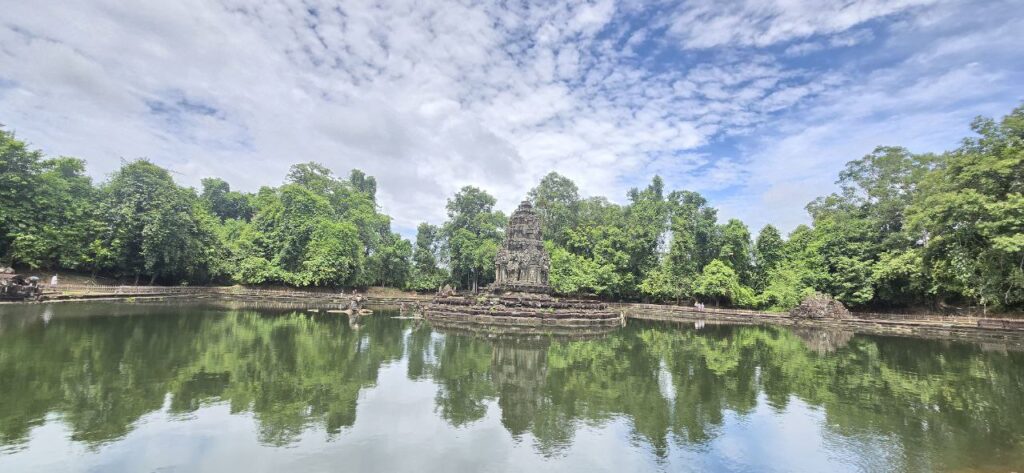
Nestled within the vast Angkor Archaeological Park, Neak Pean stands out as one of the most unique and spiritually significant temples in Cambodia. Unlike the grand pyramids of Angkor Wat or the enigmatic faces of Bayon, Neak Pean offers a tranquil, symbolic retreat—a small island temple surrounded by water, embodying harmony and healing.

The Meaning Behind Neak Pean
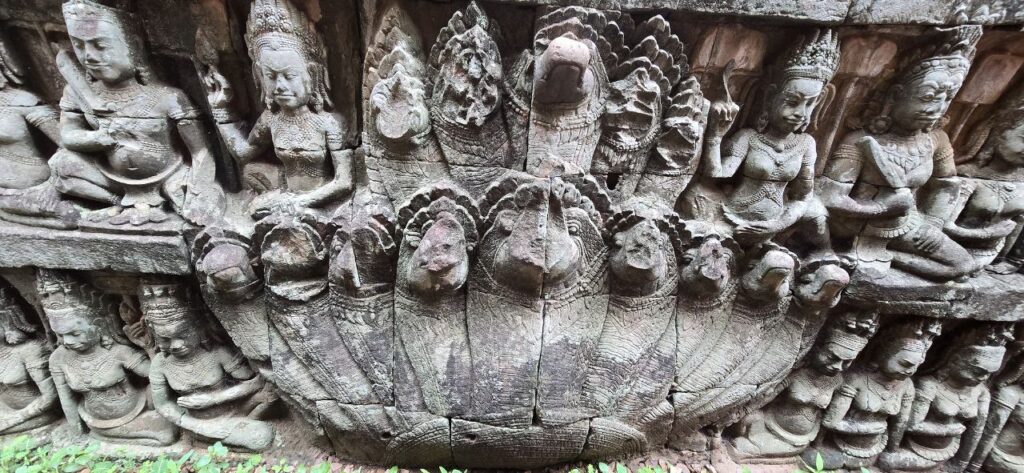
The name “Neak Pean” translates to “The Entwined Serpents”, referring to the two naga (serpent) statues coiled around the temple’s base. Built in the late 12th century by King Jayavarman VII, this temple was designed as a place of healing, inspired by the ancient Hindu belief in the purifying power of water.

Architectural Symbolism
Neak Pean is a representation of Anavatapta, a mythical Himalayan lake believed to cure all illnesses. The temple consists of:

A Central Sanctuary – Sitting on a circular island, symbolizing Mount Meru, the center of the universe.

Four Connected Pools – Representing the four elements (earth, water, fire, and wind) and the four great rivers of Hindu-Buddhist cosmology.

A Serpent-Entwined Base – The two nagas guarding the temple reflect protection and spiritual power.

Originally, pilgrims would come to bathe in the waters, believing in their restorative properties
Blog Relates

Neak Pean may be small, but its spiritual significance and unique design make it a must-see for those exploring Angkor’s hidden wonders. Whether you're drawn to its healing legends or its serene beauty, this temple offers a quiet escape into Cambodia’s ancient past. Plan Your Visit: Include Neak Pean in your Angkor itinerary for a glimpse into the mystical side of Khmer heritage.
Thing to Do
he Legend of the Terrace Leper King: A Haunting Tale from Cambodia’s Past Deep within the ancient ruins of Angkor Thom in Cambodia stands a mysterious and eerie statue known as the Terrace of the Leper King. Shrouded in myth and history, this enigmatic figure has captivated travelers, historians, and ghost hunters alike. But who was the Leper King, and why does his legend persist centuries later?
Blossoming Romduol Explore
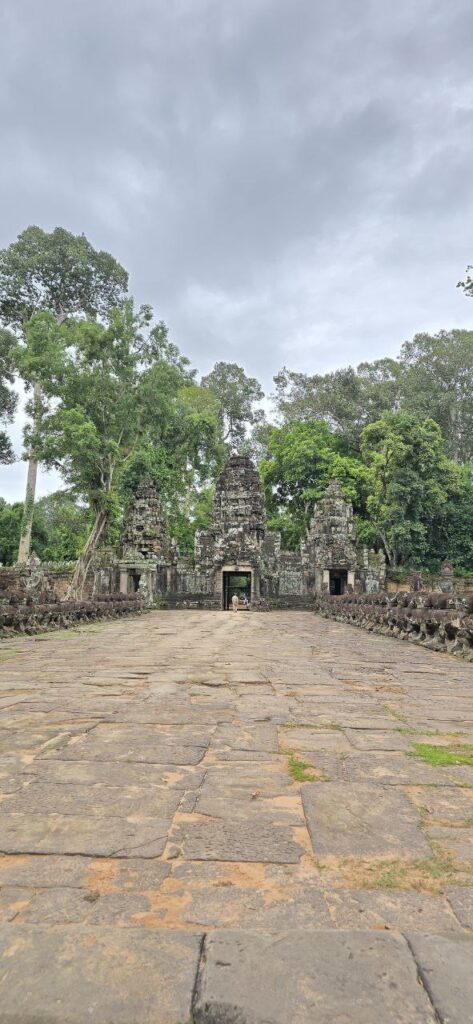
A Temple Steeped in History Preah Khan, meaning "Sacred Sword," was dedicated to the king’s father and served as both a Buddhist monastery and a university. Unlike some of Angkor’s more polished temples, Preah Khan retains an enchanting, wild charm—its crumbling corridors and moss-covered stones whispering tales of a bygone era.
Siem Reap Activity
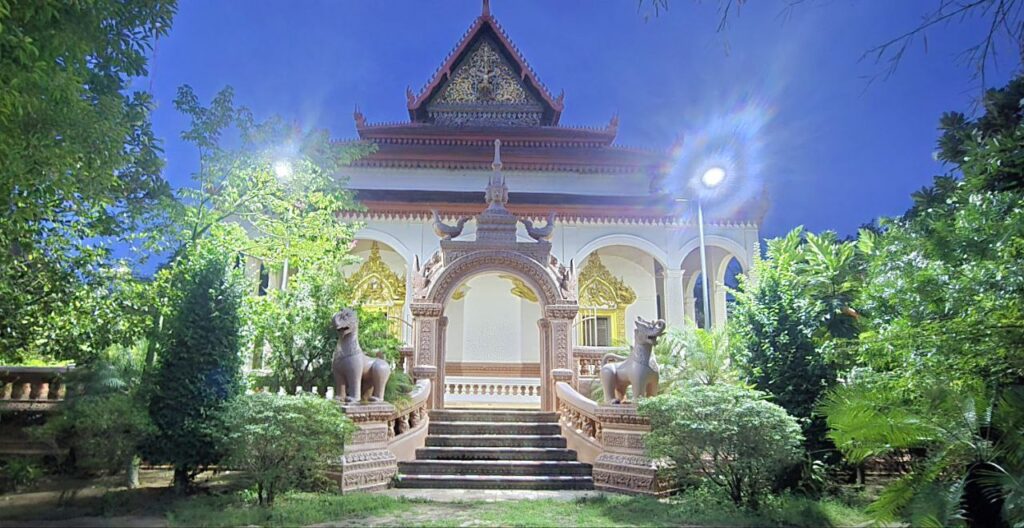
Discover the Charm of Wat Bo Pagoda in Siem Reap it`s is a cultural and religious center for Boddhists. Al place where you can learn about Khmer culture
Angkor Wat
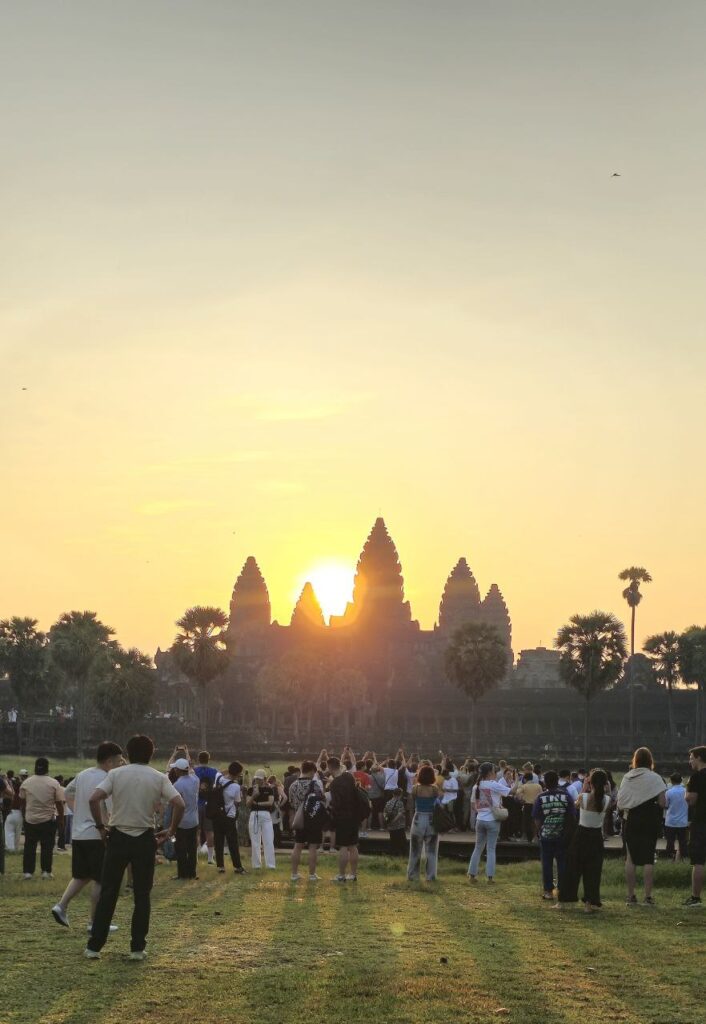
Just as Angkor Wat has endured through centuries, its legacy continues to inspire. At Blossoming Romduol Boutique, we draw from this rich heritage, infusing traditional Khmer elegance into modern designs. The temple’s timeless beauty mirrors our commitment to craftsmanship and cultural pride, offering you a piece of Cambodia’s soul in every creation. Explore our collections and let the spirit of Angkor Wat blossom in your style. — Blossoming Romduol Boutique: Where Heritage Meets Modern Elegance. (Note: Adjust tone and length based on your brand’s aesthetic!)
Siem reap activity
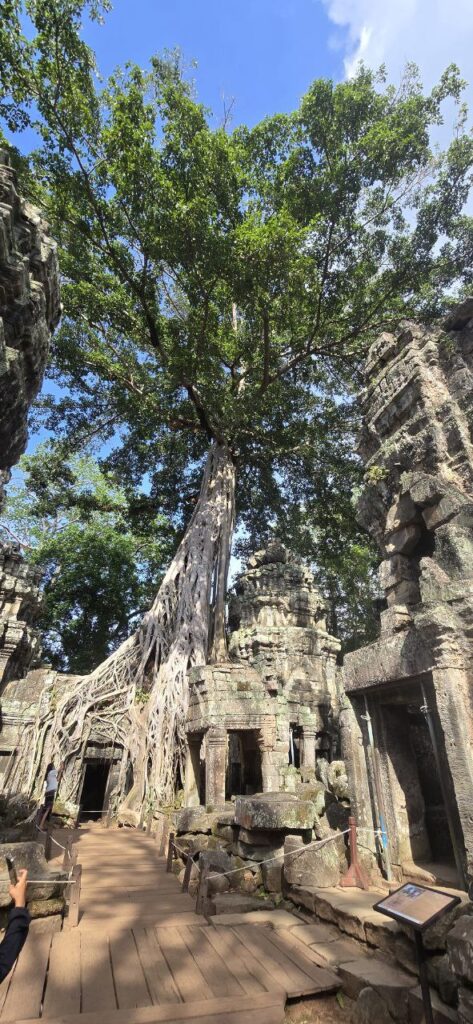
Ta Prohm Temple stands as a mesmerizing fusion of nature and ancient architecture. Built in the late 12th century under King Jayavarman VII, this sprawling Buddhist monastery was once a vibrant center of worship and learning. What makes Ta Prohm truly unique is its enchanting state of ruin